
In Japan and abroad alike, music played for children is generally assumed to mean nursery songs, anime music, or other so-called “children’s music.” I have long wondered whether this is really appropriate. Even Mozart, for example, probably would not have grown into such a genius if he had been made to listen only to nursery songs and the like. It is precisely children whose ears have not yet been sullied who must hear the real thing.
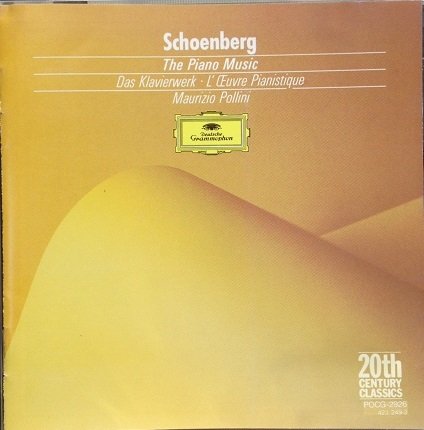
Some time ago, I provided music for a puppet show at the kindergarten attached to Tokyo Gakugei University in Koganei, Tokyo. For rehearsals, I made a CD and the play was performed along with it. The music was Schoenberg throughout. Moreover, these were not Romantic-style works such as Verklärte Nacht or Pierrot, but piano pieces written using something like the 12-tone serial technique. (The performer, incidentally, was Maurizio Pollini.) Many adults immediately reject such music as difficult. But children whose ears have not been sullied by tonality respond naturally. I was honestly surprised when one child said with heartfelt appreciation, “That’s a good piece.”
The experience made me feel more strongly than ever that we should avoid imposing adult preconceptions on children and let them hear genuine, substantial music.
Related posts
New Discovery: Mozart Works for Flute and Harp Premiered on 6/21 (6/23 Performance Recording Also Added)
Across 250 Years: Mozart’s “Unpublished Autograph” Found in Paris Reveals the Genius Behind the Legend An “Anonymous” Treasure Sleeping in a Corner of the Library On…
A Visit to the Mendelssohn House in Leipzig — The Difficulties Faced by the Mendelssohn Family and Women
Year-End Greetings: Fauré’s “In Paradisum” from Requiem, Op. 48—In Memory of Andrew Nash
Here are my customary year-end greetings. This year I had begun preparing to perform “Lilium”, but after learning of the death of my close friend and…
You must be logged in to post a comment.