

The Digital Markets, Competition and Consumers Act has received Royal Assent and become law.
Under this Act, the following will apply:
* UK competition regulators receive tools to prevent technology firms with strategic power from abusing their position to harm competitors and consumers.
* Penalties apply to businesses that breach consumer-protection law, and the Competition and Markets Authority (CMA) can enforce consumer law directly.
* Consumer subscription management becomes easier through clear pricing, a ban on fake reviews, and greater control over goods purchased online.
The Act gives consumers across the UK rights and paves the way for greater control and clarity over online purchases.
It requires businesses to provide clearer information before subscription contracts, notify consumers when free or low-cost trials end, and make ending contracts easy.
Unavoidable hidden charges must be included in the upfront price or made clear at the start of checkout, so consumers know what they will pay from the outset.
The Act also gives the CMA new tools to address competition issues in digital markets.
These tools let regulators set tailored conduct requirements for powerful technology firms, such as requiring fair treatment of users and preventing firms from withholding information consumers need to make informed choices.
The Act also empowers regulators to intervene and direct businesses to change conduct to promote competition, benefiting smartphone users and businesses that rely on cloud services.
It also gives the CMA powers to monitor road-fuel prices closely and report signs of wrongdoing to the government.
Only companies found through investigation to hold strategic market status will be subject to the new rules—likely only a handful of the world’s most powerful technology firms.
Companies that fail to comply with CMA decisions may face fines reaching tens of billions of pounds. These fines and other measures are balanced by strict checks and balances.
Details » Digital Markets, Competition and Consumers Act receives Royal Assent
Related posts
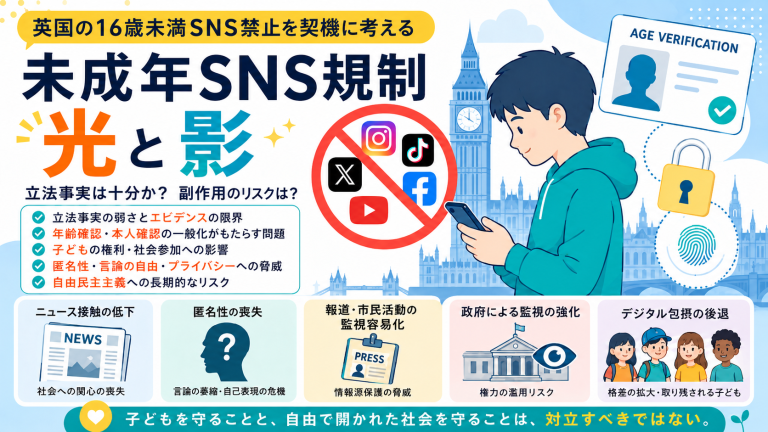
Is This Really a Good Idea? The UK Follows Australia in Moving to Ban Social Media for Children under 16
Prompted by the UK’s ban on social media use by those under 16, this article examines the legislative basis and proportionality of social media regulation intended…
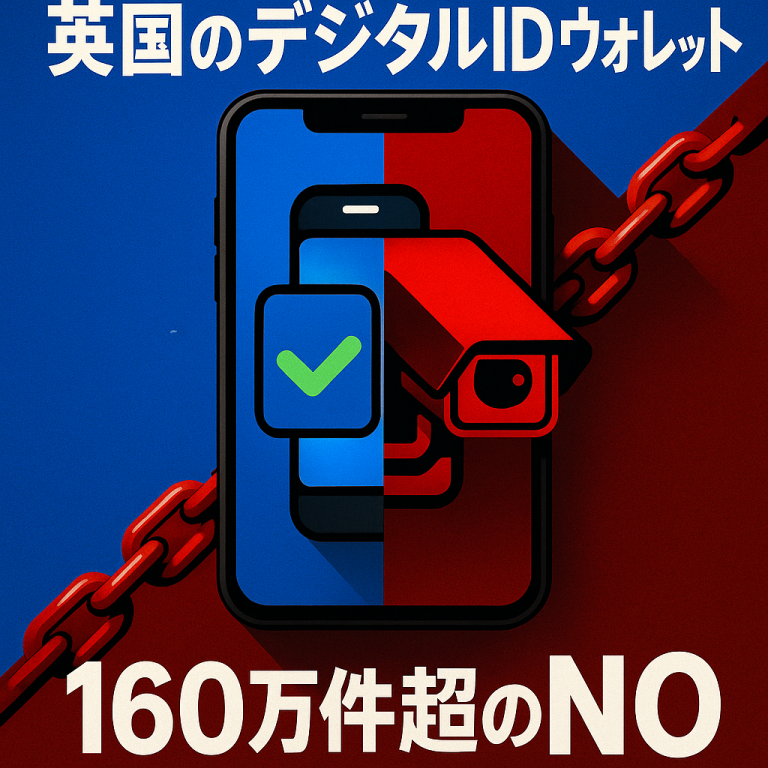
Surveillance or Efficiency? The UK’s Major Shift to a “Mandatory Digital ID Wallet”—More Than 1.6 million Sign a Parliamentary Petition in a Single Night
I posted breaking news on X, but on September 26 the UK government announced a plan to introduce digital ID through the "GOV.UK digital wallet." It…
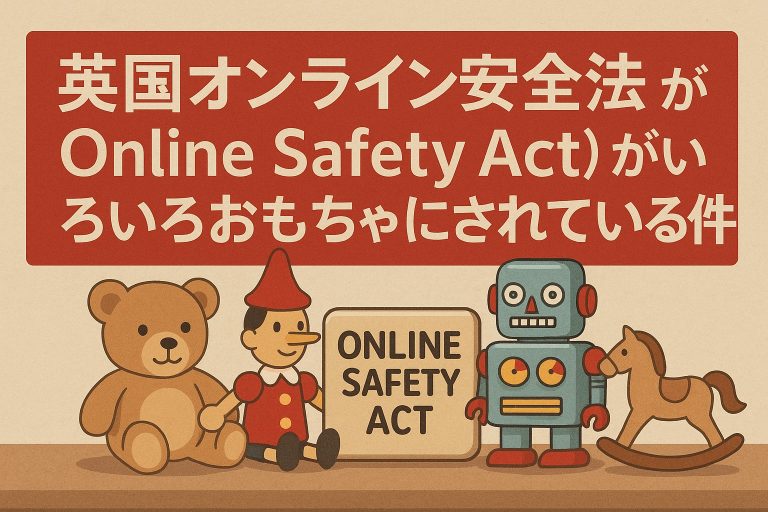
Age Verification: The UK Online Safety Act Is Being Toyed With in All Kinds of Ways—Bypassing It With VPNs and Evading Biometrics With Death Stranding
What Is the UK's Online Safety Act? The UK's Online Safety Act formally became law after receiving Royal Assent on October 26, 2023, and came into…