
MyDataJapan board member Ota explains the dangerous digital realities you need to know
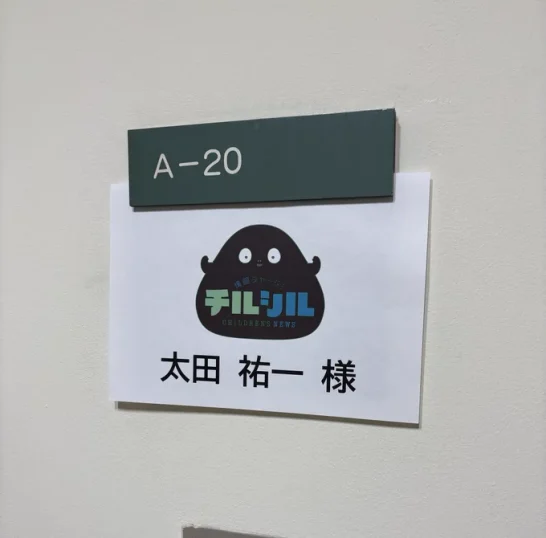
Hello! Today, I would like to introduce some important points covered in NHK’s “Chirushiru”1, which aired last week. Let us take a look at what is actually happening behind the scenes of the “recommendation features” we casually use every day on social media, drawing on insights from MyDataJapan board member Ota.
本日(5/31)朝9時からNHKのチルシルという番組に生放送で出演します!https://t.co/zkei0DfUjO pic.twitter.com/nZPyrTHTm1
Convenient, but… a little scary? Social media recommendation features
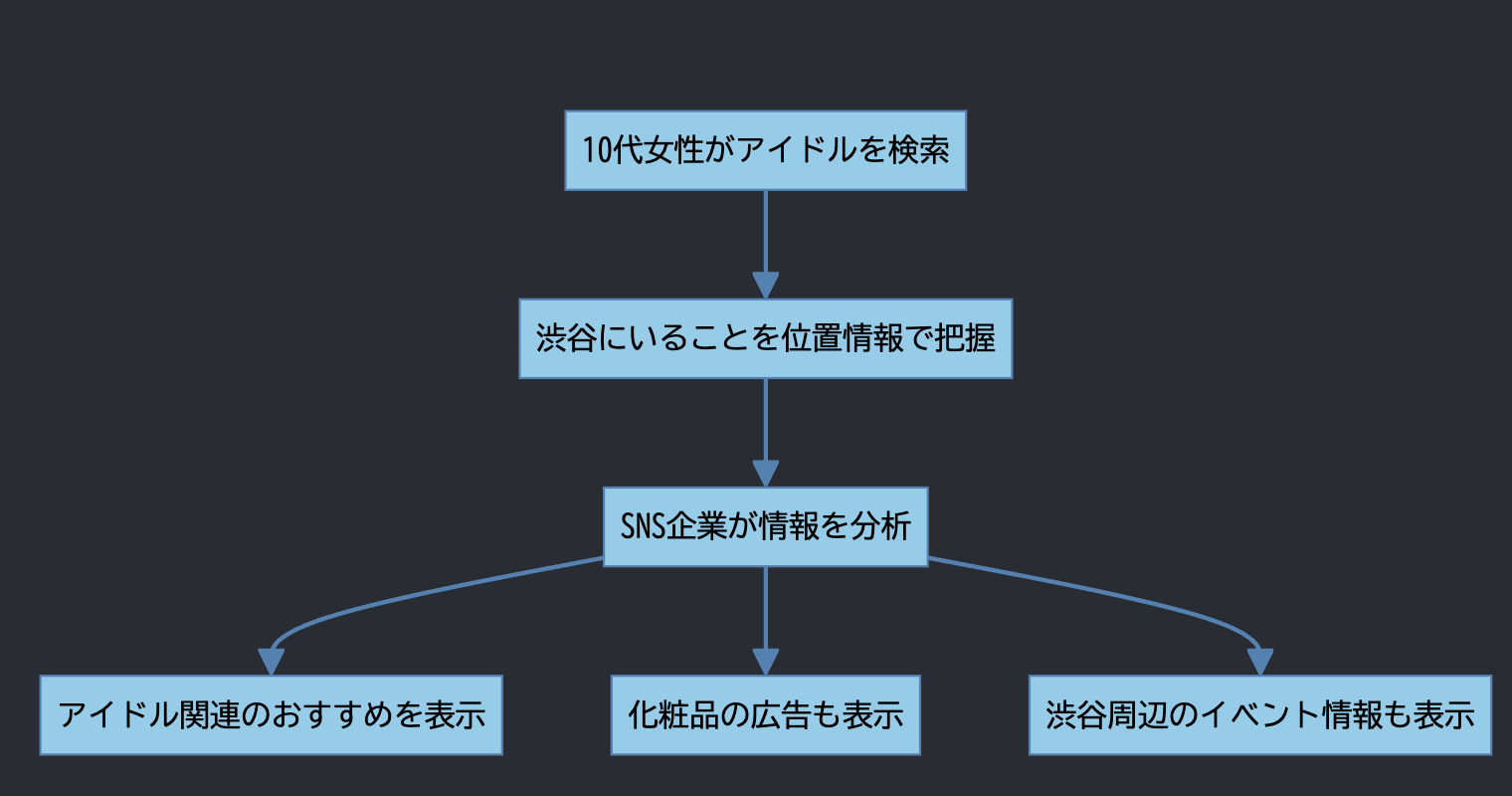
“I searched for skincare products, and then somehow even clothing ads started showing up…” “I found a place I wanted to visit and was able to go there!”
Have you ever had a similar experience?
Social media recommendation features are certainly convenient. They save you the trouble of searching for information from scratch and can lead to new discoveries. But Director Ota points out the danger of getting into a state where “once you are hooked, you cannot get out”.
? The social media recommendation cycle
View a post that interests you → Related information is displayed → Look more deeply → Even more related information appears...
This Much Information About You Is Being Collected
According to Director Ota, the reality is that social media companies “use all kinds of methods to collect everyone’s information.” Specifically:
Information you enter directly
- Date of birth
- Gender
- Address
- Profile information
Activity within the app
- Which posts you “liked”
- What you searched for
- What kinds of videos you watched
- How long you watched them
History from other apps
Surprisingly, even your search history outside the social media app is collected!
Location information
- Where you took photos
- Where you went shopping
- Your overall activity range
How information flows from collection to recommendations
Is it true that “your smartphone is listening to you”?
This is a phenomenon that about 3 out of ten junior high and high school students say they have experienced.
“I mentioned that I was interested in a cosmetic procedure, and then somehow it appeared in my Stories…” “I talked about a TV program, and then clips from that program appeared on social media…”
NHK therefore gathered 4 high school students and conducted an experiment in which they talked freely in a café to see what would happen. 2 of them were allowed to use their smartphones, while the remaining 2 did not touch theirs. Afterwards, the researchers checked what happened to their social media timelines.
During the conversation, the topic “Where would you want to live if you became wealthy?” brought up keywords such as “the Czech Republic” and “a house with a spiral staircase.” After the 1-hour conversation ended, the social media timelines of the 2 students who had not touched their smartphones showed Prague (the capital of the Czech Republic) and spiral staircases, prompting everyone to wonder, “Were they listening?!”
Responses from social media companies
However, when the companies were asked about this, they responded: “We do not collect everyday conversations.”
Director Ota’s view
The reasons they do not collect audio include:
- The cost is not worthwhile
- It is ethically problematic
The surprising truth: information sharing over Wi-Fi
What the verification experiment actually revealed was the possibility that information is shared when devices are connected to the same Wi-Fi network.
| Experiment | Result |
|---|---|
| Another person on the same Wi-Fi searches for “spiral staircase” | “Spiral staircase” appears in your own recommendations |
| Reason | The system may assume that people in the same place have similar interests |
The danger of filter bubbles
Director Ota is particularly concerned about a phenomenon called the “filter bubble.”
What is a filter bubble?
“It is as if an invisible bubble forms around you. More and more information you like comes in, while all kinds of other information is shut out and can no longer reach you.”
A true cautionary tale
One university student’s experience:
- Becoming absorbed in extreme dieting information
- Believing only information from social media
- Eventually developing an eating disorder…
Her words, “I had simply become trapped by information from social media alone,” convey the seriousness of this problem.
Steps we can take
Measures taken by social media companies
- Features that limit usage time
- Features that let parents review content
But that alone is not enough…
Director Ota emphasizes: “Not only children, but adults also need to understand this properly.”
✅ What we can do
- Diversify your information sources
- Do not rely solely on social media
- Get information from multiple types of media
- Use social media consciously
- Think about why this information is being shown to you
- Set a time limit for use
- Be aware of filter bubbles
- Actively seek out information outside your own interests
- Listen to opposing views as well
💬 A message from Director Ota
“Everyone, please be careful. Social media recommendation features are convenient, but it is important to understand what is happening behind the scenes. Those of us living in the digital age need a new kind of literacy.”
Summary: Social media risks in the data
| Item | Current situation | Risk level |
|---|---|---|
| Scope of personal information collection | History outside the app is also collected | ⚠️⚠️⚠️ |
| Filter bubbles | Experienced by about 3 out of ten users | ⚠️⚠️⚠️ |
| Health effects | Cases including eating disorders have occurred | ⚠️⚠️⚠️ |
| Company measures | Limited | ⚠️⚠️ |
One final thought
Depending on how it is used, social media can enrich our lives or expose us to danger. As Director Ota points out, what matters most is for each of us to stay aware and engage with it wisely.
Starting today, how will you engage with social media recommendation features?
This article was created based on the content of NHK’s Chirushiru (5/30). Be sure to watch the handsome Ota as well https://plus.nhk.jp/watch/st/g1_2025053133217?t=676! It is available until June 6 (Fri.) at 5:30 p.m.
Footnotes
Related posts
The MyData Conference 2026 Is This Wednesday. See You at Hitotsubashi Hall!
I have been posting announcements on X every few days, and the MyDataJapan Conference 2026 is this Wednesday. There are many highlights: Naohiro Fujie, Representative Director…
Data Sustains Lives—MyDataConference 2026 Opening Address
The following is the opening address for the MyData Japan Conference 2026, delivered by Nat Sakimura in his capacity as Chair of the General Incorporated Association…
Unsubmitted Public Comment on the Call for Comments on the Draft First Report of the Youth Protection Working Group on Information Distribution in the Digital Space
July 823:59 was the deadline for the call for comments on the draft first report. I ended the FAPI WG early and23:40 began the submission process…
You must be logged in to post a comment.