
At the very least, it probably would not be a centralized service like the current mixi. So let me think about it a little.
First, mixi’s features:
I. Information publishing
(1) Profile Page: The items displayed change depending on whether someone is a MyMixi friend
(2) Diary: Specify the scope of disclosure (MyMixi friends, their friends, or the general public)
(3) Reviews: Use amazon web service to review products.
(4) Messages: Can be sent to anyone.
(5) Albums
(6) Invitations: Invite friends
II. Information receiving
(1) Search (friends, communities)
(2) Profile display
(3) MyMixi diaries: Aggregate the diaries of MyMixi friends
(4) MyMixi reviews: Aggregate their reviews in the same way
That seems to be about it.
How to implement it in a distributed system:
I(1): Since the display only needs to change based on authentication and its result,
a website with authentication will suffice. SAML should do the job.
I(2): A blog with SAML authentication. The same applies to RSS.
I(3): amazon web service with SAML authentication.
I(4): There is no standard method for this. Perhaps the i-name contact service.
I(5): The same as a website
I(6): A request for authorization using a SAML Assertion.
In other words, all that is needed is a registration and authorization process
for that page using a SAML Assertion.
II(1): Google, or some registry.
For i-name, something like an i-name version of whois would probably suffice.
II(2): Simply viewing a website
II(3)(4): Simple RSS aggregation.
Well, it can be decentralized quite easily after all. :hammer:
Only I(4) would require a separate standard protocol.
Related posts
About Identity 2.0, Which Entrusts Customers with ID Management for ASP Services
Sxip demonstrated federated authentication at Dreamforce (a Salesforce.com trade show) (see the article). This is a framework in which users are authenticated somewhere else and then…

Digital Agency and JR West Test Enrollment Verification Using My Number Cards: Toward Online Purchase of Student-Discount Tickets
Student-discount services based on digital student credentials have been under consideration for quite some time. Among people around me, discussions with the National Institute of Informatics…
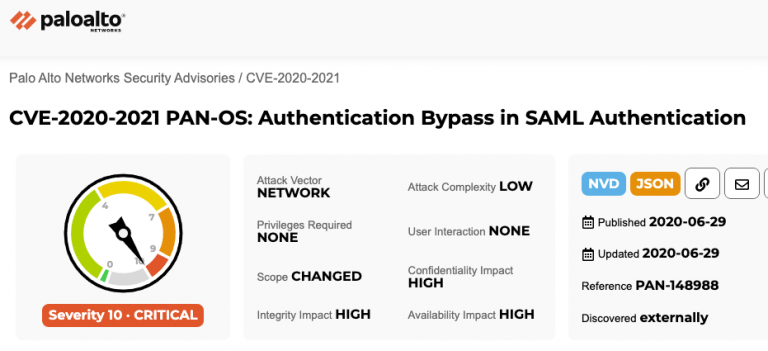
I Looked into This: “Critical SAML Authentication Vulnerability in Palo Alto Networks Products; U.S. Cyber Command Also Issues Warning”
On July 1, the following article came across my feed. However, the article alone does not explain what kind of vulnerability this actually is, and the…