
There is an inaccurate statement on DoCoMo’s anti-spam page, “About Spam Mail—Changing Your Email Address.”
Although it says, “Note: Compliant with RFC,” it also says:
If periods are used consecutively within an address, or if one is placed at the end of an address, email may not be sent to or received from some providers.
That is what it says.
As discerning readers will already have noticed, RFC 2822, which defines email addresses, treats such addresses as invalid. To use a period, it must be surrounded by atext (alphanumeric characters and certain symbols; see RFC 2822 for details). Therefore, 2 consecutive periods or a period at the end of an address violate the RFC. In other words, the above document should say:
Do not use periods consecutively within an address or place a period at the end of an address.
It seems that an earlier version recommended placing a period at the end of an address, so this is better than that, but it still does not convey correct information. Many providers probably also receive inquiries about why mail cannot be delivered.
Ordinary people cannot reasonably be expected to read international standards such as RFCs. NTT DoCoMo must at least avoid teaching its users incorrect information.
Related posts
The sp-mode Mail Problem
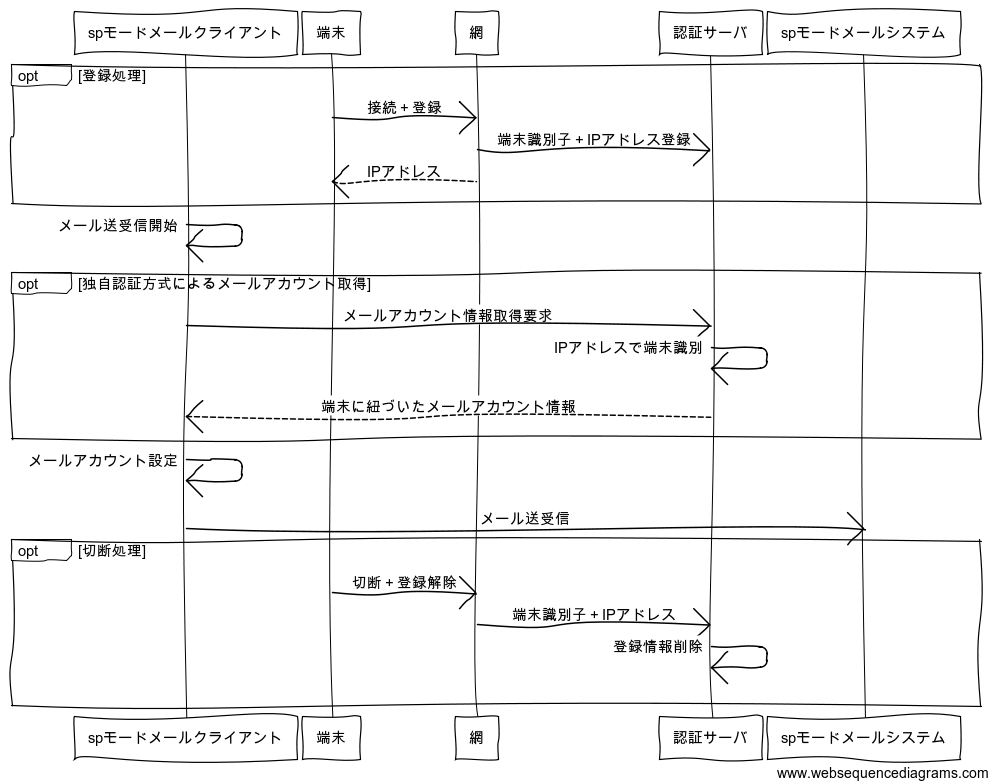
The sp-mode mail problem—the one in which email addresses were switched—has become a hot topic. I could not fully understand it just by reading the articles,…

So, Let’s Get a Japan Post “Digital Address”!
How to Obtain a Digital Address To obtain a digital address, first visit the post office's Digital Address website. Judging from this, it does not seem…
Is the Information-Sharing Platform for the “Number” System Complex?
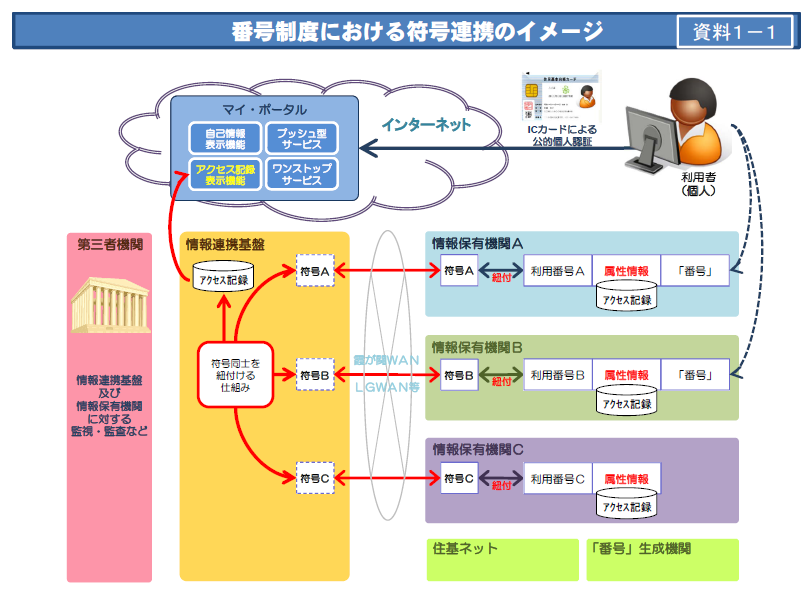
In discussions of a national ID system—the “Number” system, sometimes incorrectly called the Common Number system—one system component is called the “information-sharing platform.” It is the…