
A lawsuit concerning an incident in which a seal and a bankbook were stolen from a home, leading to the withdrawal of ¥8.5 million from an ordinary deposit and ¥6 million from a time deposit. The identification document used was a forged health insurance card, on which the nonexistent date “June 1, Showa 1” was recorded as the date of birth.
In its ruling, the court held that time deposits require more careful identity verification than ordinary deposits and awarded damages for the time deposit, while denying them for the ordinary deposit. This is yet another pernicious example of authentication being reduced to the combination of “possessing” a bankbook and “possessing” a seal. Ideally, the bank should bear losses from ordinary deposits above a certain deductible amount as well, and the ruling is disappointing in that it did not reach this result.
It is high time seals ceased to be recognized as a means of authentication.
Related posts

When Software Becomes Staff: Governance, Security, and Safety for Agentic AI
Below is the transcript of my keynote speech at EIC 2026 on May 19, 2026. The slides are provided as a PDF at the end of…
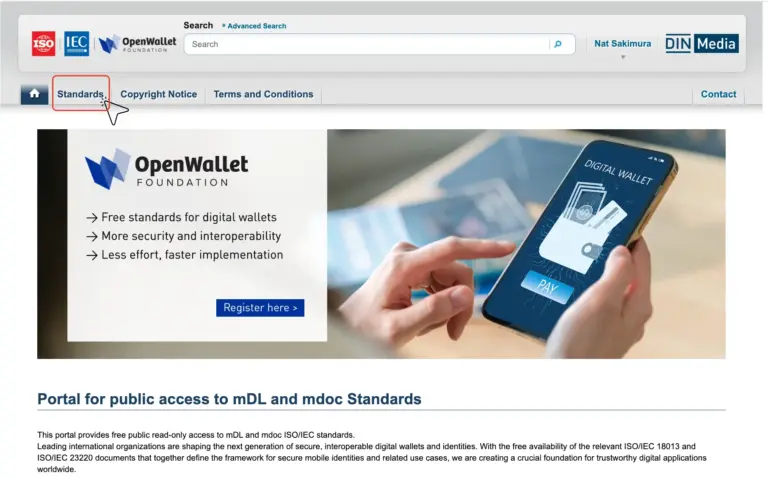
mDL/mdoc Standards Are Now Available to Access Free of Charge
As I shared in real time with those who follow me on X, standards related to mDL/mdoc are now available to access free of charge at…

IPA’s Mr. Tsuda Receives FORBES Japan’s “30 Under 30” Award
Mr. Tsuda of IPA, whom I think is one of the ID geeks, has been selected for FOEBES JAPAN 30Under30 2026. He is the second member…