
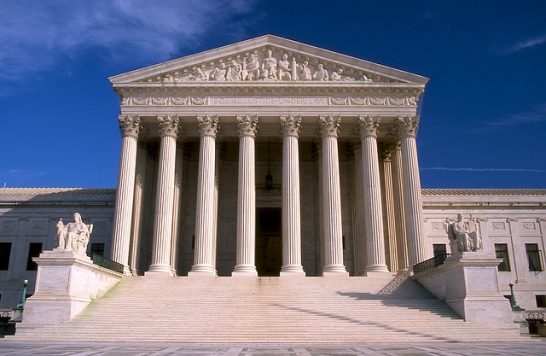
I learned from an EFF tweet1 that the U.S. Supreme Court appears to have ruled that cellphone location information is protected by the 4th Amendment to the U.S. Constitution2. It was a close 5–4 vote.
Articles have already begun appearing in many places.
- USA Today: Supreme Court cracks down on government snooping through cellphone location records
- NBC News: Supreme Court says police can’t use your cellphone to track you without a court order
The ruling follows the recent recognition in the United States that rapid technological development means privacy can no longer be protected using conventional thinking. It appears to extend earlier rulings that authorities must not “use GPS equipment to track vehicles without a warrant3” or “search cellphones without a warrant4.”
According to Chief Justice John Roberts, obtaining a chronological record of cellphone locations presents a greater privacy risk than tracking a vehicle by GPS because:
- A person can leave a car behind, whereas people are often effectively required to carry their cellphones.
- People carry their phones when visiting hospitals, private homes, political campaign offices, and similar places. That location information reveals private matters.
These considerations appear to have led to the ruling.
Footnotes
- https://t.co/sOSqGUFGCx
- Amendment 4: The right of the people to be secure in their persons, houses, papers, and effects against unreasonable searches and seizures shall not be violated; warrants shall issue only upon probable cause, supported by oath or affirmation, and particularly describing the place to be searched and the persons or things to be seized.
- GPS equipment to track vehicles
- search cellphones without a warrant
Related posts
Anyone Who Thinks Identity Is Given by the State or Government Should Sit Up and Read This: Utah Digital ID Bill SB260 and the Transformation Brought by a User-Centric Digital ID System
As digital technology evolves, our dependence on personal information and data continues to grow. Yet many government-provided ID systems do not always give sufficient consideration to…

The MyData Conference 2026 Is This Wednesday. See You at Hitotsubashi Hall!
I have been posting announcements on X every few days, and the MyDataJapan Conference 2026 is this Wednesday. There are many highlights: Naohiro Fujie, Representative Director…
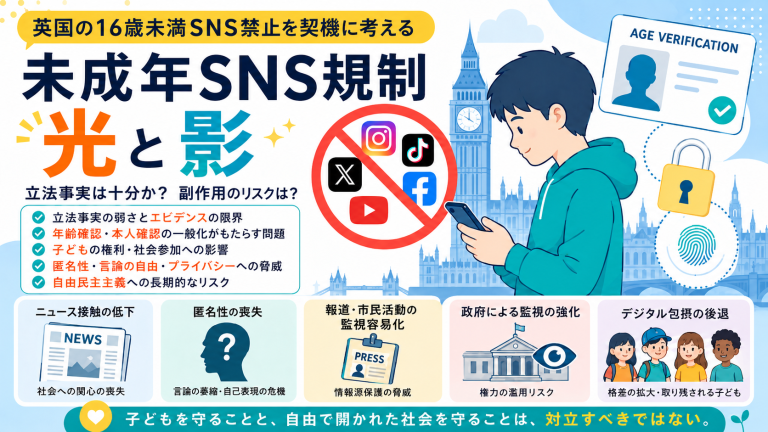
Is This Really a Good Idea? The UK Follows Australia in Moving to Ban Social Media for Children under 16
Prompted by the UK’s ban on social media use by those under 16, this article examines the legislative basis and proportionality of social media regulation intended…